
Compact salon chair layouts optimizing floor space without limiting movement
Efficient interior planning shapes how styling areas function during busy schedules. Compact salon chair layouts optimizing floor space without limiting movement highlights smart arrangement methods that support activity flow while preserving openness. Thoughtful spacing improves circulation. Reduced clutter increases safety. Balanced placement supports staff efficiency. Well planned layouts enhance usability without sacrificing comfort. These principles allow salons to remain visually open while handling daily operational demands smoothly.
Space Conscious Layout Foundations
Compact planning begins with understanding movement paths and work zones. Proper layout choices ensure freedom while using available area wisely.
- Defined walkways support smooth circulation between stations
- Reduced footprint designs allow closer placement without crowding
- Strategic spacing minimizes unnecessary gaps
- Aligned stations improve overall room flow
- Clear zones separate styling and waiting areas
Movement Flow and Staff Efficiency
Efficient layouts prioritize unrestricted movement for stylists. Chairs positioned with intent reduce steps between tasks. Open pathways prevent congestion. Rotation space allows tools to be accessed easily. When staff move freely productivity improves. Balanced layouts support teamwork without interruption even during peak service hours.
Furniture Dimensions and Flexibility
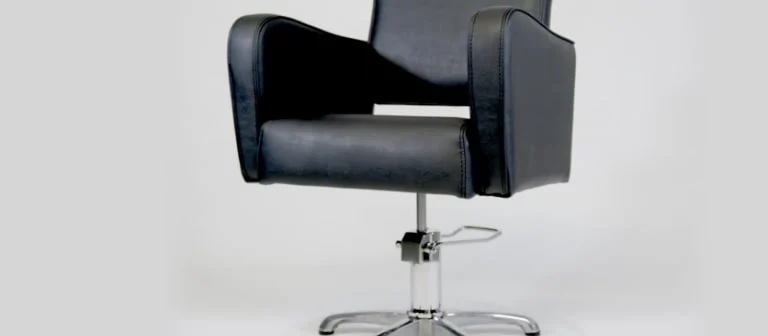
Selecting compact furniture improves adaptability without limiting comfort. Proper Salon Chair sizing supports efficient use of floor area.
- Narrow bases reduce occupied footprint
- Adjustable height features accommodate varied services
- Swivel functionality improves reach without repositioning
- Lightweight structures allow easy rearrangement
- Multipurpose designs reduce excess furnishings
Strategic Placement for Open Feel
Careful placement of each Salon Chair maintains openness while supporting workflow. Angled positioning increases usable space. Distance between stations prevents overlap. Clear alignment improves sightlines. These strategies ensure movement remains fluid while preserving a spacious appearance. Chairs contribute to interior identity. Salon chairs often reflect modern minimalism with clean lines and neutral tones. Barber chairs embrace classic or vintage influences with bold shapes and detailed accents.
Visual Balance and Practical Design
Visual balance influences how spacious a salon feels. Coordinated layouts avoid cluttered impressions. Symmetrical placement enhances order. Open sightlines expand perceived space. Practical design decisions support both aesthetics and functionality. Chairs contribute to structure without dominating the room.
Smart layout planning supports both efficiency and comfort within styling environments. Purposeful spacing enhances mobility. Thoughtful furniture selection reduces congestion. Flexible arrangements adapt to changing needs. Visual order improves perception of space. Compact salon chair layouts optimizing floor space without limiting movement offers a practical approach that balances openness with operational flow. This strategy ensures salons remain functional welcoming and easy to navigate throughout daily activity.
