High-Quality Hemp Buds Perfect for Everyday Enjoyment

In today’s fast-paced world, more people are turning to high-quality hemp buds as a natural way to enhance their daily routine. Carefully cultivated and expertly cured, premium kannavi flowers deliver a smooth, flavorful experience that fits seamlessly into everyday enjoyment. Whether you are looking to unwind after work or elevate a peaceful morning ritual, top-tier hemp buds offer a satisfying and balanced option.

What Makes Hemp Buds High Quality?

Not all hemp flowers are created equal. High-quality hemp buds stand out due to their appearance, aroma, texture, and cannabinoid profile. When grown with precision and care, hemp plants produce dense, resin-rich flowers packed with beneficial compounds.

Here’s what defines premium hemp buds:

CBD Hemp Flowers

  • Rich, vibrant color with bright green hues and frosty trichomes
  • Aromatic terpene profile that delivers fresh, earthy, or citrus notes
  • Careful cultivation practices using clean, controlled environments
  • Hand-trimmed flowers that preserve structure and potency
  • Third-party lab testing for purity and compliance

These characteristics ensure a clean, smooth experience every time.

The Everyday Benefits of Premium Hemp Buds

High-quality hemp buds are increasingly popular for daily use because they provide a gentle, uplifting sensation without overwhelming effects. Many users appreciate the balanced nature of hemp-derived cannabinoids, especially when seeking clarity and calm.

Some positive aspects include:

  • Promotes relaxation while maintaining mental focus
  • Supports a balanced mood throughout the day
  • Encourages restful evenings after long schedules
  • Enhances mindfulness practices like yoga or meditation
  • Offers a natural wellness alternative for modern lifestyles

Because hemp buds contain federally compliant levels of THC, they deliver a smooth, manageable experience suitable for everyday enjoyment.

Flavor, Aroma, and Smooth Experience

One of the most appealing qualities of high-quality hemp buds is their terpene-rich aroma. Terpenes are natural compounds responsible for flavor and fragrance, and they play a key role in the overall experience.

Premium hemp flowers often feature:

  • Sweet and floral undertones
  • Earthy, herbal richness
  • Citrus or fruity highlights
  • Smooth, clean smoke or vapor

When properly cured, hemp buds burn evenly and provide a pleasant, satisfying inhale. This refined experience makes them perfect for those who appreciate quality and consistency.

Why Choose Hemp Buds for Daily Enjoyment?

Hemp buds are versatile and easy to incorporate into daily routines. Whether enjoyed in the evening to unwind or during a quiet weekend morning, they provide a positive and approachable option for relaxation.

Key reasons people choose high-quality hemp buds:

  • Consistent potency and reliable effects
  • Natural plant-based wellness support
  • Crafted for purity and freshness
  • Suitable for both new and experienced users

As awareness grows around hemp-derived products, consumers continue to seek flowers that reflect careful cultivation and premium standards.

Elevate Your Everyday Routine

High-quality hemp buds are more than just a product they represent a lifestyle centered on balance, calm, and enjoyment. With their rich terpene profiles, clean cultivation methods, and smooth effects, premium hemp flowers are the perfect companion for everyday moments.

How Expert Tiling Actually Delivers a “Lifetime” Finish (and When It Doesn’t)

Tile can look bulletproof. It isn’t.

A tile job lasts decades when the boring parts are done obsessively well: flat substrate, controlled moisture, correct mortar coverage, movement joints in the right places, and a grout system that fits the room, not your mood at the store.

Start with taste… then get ruthless about practicality

Most people choose tile like they’re choosing paint: “I like this color.” Fine. Pick the look you’ll still like when the trend cycle moves on.

But if you stop there, you’re setting yourself up for regret.

Here’s the part people skip: the grout is half the visual field on many installations, especially mosaics and small-format layouts. A slightly warmer “soft gray” can make white tile feel creamy and intentional; the wrong bright-white grout can make a premium tile look cheap within six months of use (because it won’t stay that white) unless you partner with an experienced installer to ensure a lifetime finish.

Now, this won’t apply to everyone, but if you have kids, pets, a busy entry, or hard water, don’t romanticize high-contrast grout. It’s work. Constant work.

The materials: choose like a pessimist

I’m opinionated here: porcelain is the default for floors in most homes unless there’s a strong reason not to. It’s dense, low-absorption, and generally shrugs off daily life.

A quick technical anchor:

Porcelain tile water absorption is ≤ 0.5% by definition (ANSI A137.1). That low absorption is a big reason it behaves so well in wet zones and freeze-thaw situations.

Source: Tile Council of North America (TCNA), ANSI A137.1 Specifications for Ceramic Tile (referenced by TCNA standards).

For high-traffic floors, pay attention to wear ratings and surface finish. Glossy looks sharp in a showroom and then shows everything, grit, scuffs, micro-scratches. Matte or textured finishes age more gracefully (and you’ll worry less).

Large format tile can be fantastic, but it’s not a shortcut. It demands flatter floors than most houses naturally have.

If your floor isn’t flat, your tile job is already failing.

That’s not drama. That’s physics.

Tile and grout don’t like bending. Substrates move. Your job is to reduce movement, manage it where you can’t, and keep the tile supported.

A few prep realities (the unsexy ones)

– Clean means clean: dust, overspray, curing compounds, old adhesive, gone.

– Flatness matters more as tile gets bigger.

– Cracks in concrete don’t disappear because you ignored them.

– Wood subfloors need stiffness; bounce kills grout lines over time.

I’ve walked into plenty of “mystery crack” jobs where the homeowner blamed the tile, blamed the grout, blamed the installer… and the real culprit was a wavy substrate that never got corrected. The tile was just the messenger.

One-line truth:

Flat is cheaper than fixing.

Layout and cutting: the part that separates “installed” from “crafted”

Look, you can tell who planned and who panicked.

A good layout isn’t just centered lines and good vibes. It’s decisions: where you hide smaller cuts, how you handle transitions, which wall is actually straight (spoiler: often none), and whether your focal line respects what the eye sees when you enter the room.

Technical mode for a second: you want consistent joint widths, controlled lippage, and adequate mortar coverage. That means the right trowel notch, correct mortar consistency, and periodically lifting a tile to confirm transfer. If you don’t check coverage, you’re guessing. Guessing is how voids happen, and voids are how tiles crack under point loads.

And yes, dry-fitting matters, especially on patterned tile, directional textures, or anything with a visible caliber variation.

Grout: not just “the stuff between tiles”

Grout is a structural participant. It also takes abuse: water, cleaners, foot traffic, hair dye, cooking oil, whatever life throws.

Cement grout vs epoxy (my blunt take)

Cementitious grout is fine for many interiors if mixed and cured correctly. Epoxy grout is the “I don’t want to think about this again” option, more stain resistant, less porous, tougher overall, but fussier to install and pricier.

If you’re doing a shower, mudroom, or a kitchen that actually gets used, epoxy can be worth the pain. I’ve seen homeowners spend thousands on tile and then cheap out on grout like it’s an afterthought. That’s backwards.

Color longevity is its own rabbit hole. Pigment stability, UV exposure, and cleaning chemistry all matter. If you hit cement grout with harsh acidic cleaners repeatedly, it won’t just fade, it can erode.

Wet areas: waterproofing is the job, tile is the decoration

Question: Do you want your shower to be waterproof, or do you want it to look waterproof?

They are not the same.

Tile and grout are not your waterproof layer. They’re a wear surface. The real protection is behind them: a bonded waterproofing membrane or a properly built pan/liner system, correctly detailed at corners, seams, penetrations, and drains.

A few things that regularly go wrong:

– Missing or sloppy membrane seams

– No slope to drain (water sits, then finds a way)

– Penetrations not sealed correctly

– Mixing incompatible products because the shelf guy said “it should work”

Follow one manufacturer’s system when you can. Frankensteining materials is how warranties evaporate.

Sealing and maintenance: boring, but it’s your finish line

Some tile doesn’t need sealing. Many grouts do. Natural stone almost always benefits from the right sealer (and the wrong one can leave a hazy film that drives you nuts).

Here’s the thing: sealing isn’t a magic shield. It buys you time to clean spills before they become stains.

A realistic maintenance rhythm:

– Dry dust/grit removal often (grit is sandpaper)

– pH-neutral cleaner for routine washing

– Reseal grout/stone on the schedule the product actually calls for, often every 1, 3 years, depending on traffic and chemistry

And please, avoid “miracle” acidic bathroom cleaners on cement grout unless the grout manufacturer explicitly allows it. Cleaners can be the slowest form of damage.

Mistakes pros avoid (because they’ve already paid for them once)
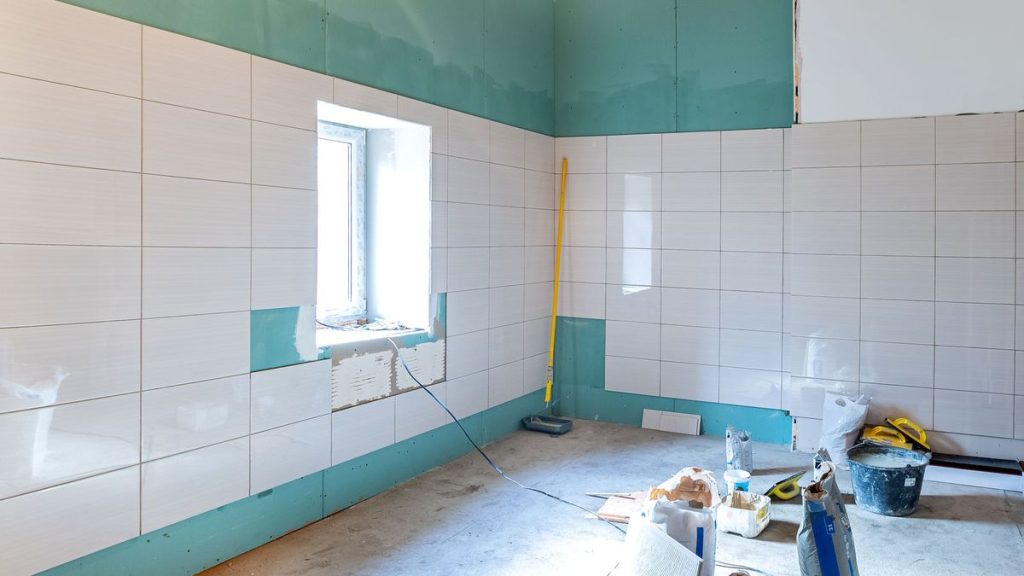
premium bathroom tiling Sunshine Coast

A short list, because you don’t need a novel:

– Skipping expansion/movement joints and then acting surprised when corners crack

– Setting tile over a substrate that isn’t flat enough for the tile size

– Not checking mortar coverage (voids everywhere, quietly waiting to fail)

– Rushing cure times, thinset and grout aren’t impressed by your schedule

– Using the wrong trowel/notch and starving the bond

– Choosing pretty tile + bargain adhesive + random sealer and hoping they “play nice”

Picking tile by room: practical, not precious

Kitchens: prioritize cleanability and stain resistance. Matte porcelain wins a lot of arguments here.

Bathrooms: slip resistance matters more than you think, especially on small shower floors. Also, build the waterproofing like you never want to open that wall again.

Hallways/entries: grit and moisture are constant. Durable body, decent abrasion rating, and grout that won’t look filthy by week three.

Living spaces: if you hate noise, tile will amplify it. Area rugs, underlayment choices, and layout decisions can help, but tile is still tile.

Outdoor: verify freeze-thaw rating and use products designed for exterior exposure. Sun is brutal on cheap finishes.

A few questions I’d ask before any job starts

No fluff, these are the ones that prevent rework:

– Is the substrate flat enough for this tile size (not just “kinda flat”)?

– What waterproofing system is being used, and is it a complete system or a mix?

– Where are movement joints going, and how are transitions handled?

– What grout type matches this room’s abuse level?

– Can I get replacement tile from the same run, or do I need attic stock?

– What are the cure times at the actual site temperature and humidity?

If you can answer those cleanly, you’re already ahead of most “tile problems” I get called to diagnose.

Why a Full Tyre Lineup Actually Matters (More Than Most People Admit)

If you’re only ever buying “whatever’s on offer” in the right size, you’re leaving performance, safety, and sometimes money on the table. Tyres aren’t a cosmetic choice. They’re the parts doing the arguing with the road on your behalf.

One-line truth: your tyres are your car’s behaviour.


Tyres and safety: not glamorous, brutally real

Here’s the thing: your vehicle only touches the road through four contact patches roughly the size of a postcard. That’s it. Every emergency stop, every wet roundabout, every evasive swerve depends on rubber compound, tread design, pressure, and temperature.

In my experience, the “mystery handling issues” people blame on suspension are often tyre problems in disguise. Underinflation, mismatched tyres across an axle, old hardened rubber (yes, tyres age even if you don’t drive much), or simply choosing the wrong category for the conditions—so it pays to shop somewhere that carries a full range of tyres.

A few practices that actually move the needle:

Check pressures when tyres are cold (warm tyres lie; the numbers creep up)

Measure tread depth instead of eyeballing it

Don’t ignore sidewall cracking or bulges (that’s structural, not cosmetic)

Rotate if your drivetrain and tyre type allow it; uneven wear kills braking consistency

And tyre disposal? Handle it like you’d handle used oil: responsibly. Most reputable fitters will take old tyres back for recycling. Dumping them isn’t just irresponsible; it’s the kind of mess that comes back around in fees, fines, and environmental damage.


Seasonal tyres: pick your battles


Winter tyres (the “why did I wait so long?” option)

Winter tyres aren’t just “tyres with more tread.” The compound is designed to stay flexible in low temperatures, which is where all-seasons often start feeling like hockey pucks. Deep sipes, aggressive voids, and cold-weather rubber add up to predictable braking and steering on snow, slush, and cold wet asphalt.

Now, this won’t apply to everyone, but if your winters regularly sit around freezing, I’m opinionated on this: winter tyres are a safety upgrade, not a luxury purchase.

A quick data point: AAA tested braking on ice at 15 mph and found that vehicles on winter tyres stopped about 30, 40 feet shorter than those on all-season tyres, depending on the specific tyre models and conditions (AAA, “Winter Tires: The Smart Choice for Cold Weather Driving,” 2016). That’s the difference between a clean stop and a claim.


Summer tyres (quiet confidence when it’s warm)

Summer tyres get misunderstood. People assume they’re only for performance cars. Nope. They’re for drivers who want sharper turn-in, shorter warm-weather braking distances, and consistent wet handling when it’s not cold.

The tread tends to be more stable (bigger blocks, fewer squirmy elements), and the rubber compound is happier in higher temps. Less tread movement usually means better steering precision and often lower noise too.

One caveat (and it’s a big one): in cold weather, summer tyres can lose grip fast. If it’s near freezing, you’re outside their comfort zone.


All-season tyres (convenient, sometimes brilliant, sometimes “fine”)

All-seasons are the compromise that works, until it doesn’t. In moderate climates, a good all-season tyre is a sane choice. You avoid seasonal swaps, you get decent wet traction, and modern premium models can be surprisingly capable.

But if you deal with real winters, all-seasons are typically “adequate” right up until the moment you need extra margin. And the moment you need it is the only moment that matters.


Terrain talk: stop pretending the road is always the road

Are you buying tyres for your commute or for your reality?

City streets reward tyres that roll efficiently, resist pothole damage, and don’t drone at 70 mph. Gravel, mud, and rocky trails demand sidewall strength and self-cleaning tread. A tyre that’s perfect on asphalt can be genuinely hopeless on loose surfaces, and the reverse is also true (I’ve listened to enough off-road tyres howl on highways to know).

Think in terms of use-cases, not brand loyalty:

Urban / motorway focus: comfort, low rolling resistance, wet braking, noise rating

Mixed surfaces: tougher carcass, balanced tread voids, puncture resistance

Off-road: reinforced sidewalls, aggressive lugs, stone ejectors, high void ratio

And for heavy rain? You want tread designs that move water efficiently. Hydroplaning resistance isn’t magic; it’s physics and evacuation volume.


Performance: it’s not just grip, it’s how the car speaks to you

Better tyres don’t only “grip more.” They communicate earlier, break away more progressively, and recover more predictably. That’s why two cars with identical brakes can feel totally different in an emergency stop. The tyre controls the traction budget.

On the technical side, you’re juggling:

Compound (temperature window, wet grip chemistry, wear rate)

Construction (sidewall stiffness, belt angles, load rating)

Tread geometry (contact patch behaviour under braking and cornering)

Look, I’ve seen drivers spend a fortune on suspension upgrades when the car really just needed tyres that matched their climate and driving style. Tyres are the highest-leverage change you can make without touching anything else.


Fuel efficiency: the quiet advantage nobody brags about

Low rolling resistance tyres can make a measurable difference in fuel use, especially on steady highway driving. The mechanism is simple: less energy lost to deformation equals less work for the engine (or motor).

Of course, there’s always a trade. Some ultra-efficient tyres give up a bit of outright grip. The good news is that top-tier manufacturers have narrowed that gap a lot in the last few years.

One more practical note: underinflated tyres eat fuel. Not slightly. Noticeably. If you want the efficiency benefits you paid for, pressure checks can’t be a “maybe when I remember” habit.


Quality and longevity: spend once, cry less

Cheap tyres can be expensive. They often wear faster, lose wet grip earlier, and feel inconsistent as they age. Premium tyres aren’t automatically perfect, but they usually deliver on:

– stable wet braking over the life of the tread

– better heat management

– stronger internal construction

– more consistent compound quality

Also, eco-friendly materials are showing up more often in mainstream ranges, more silica-rich compounds, smarter manufacturing, better recyclability. It’s not a gimmick when it’s done well. It’s engineering.


Building a “tyre lineup” without going overboard

You don’t need a warehouse of rubber. A smart, realistic setup depends on your climate and how picky you are about feel.

A simple approach I recommend to most drivers:

Option A (moderate climate):

One excellent set of all-seasons, chosen for wet grip and tread life, not just price.

Option B (cold winters):

A dedicated winter set + a summer or touring set for warm months. Yes, it costs more upfront. It often saves money over time because each set lasts longer (and your warm-weather tyres aren’t getting chewed up in the cold).

One slightly underrated tip: if you’re running two seasonal sets, store them properly. Cool, dry, out of direct sunlight, and ideally in bags. Tyres don’t like UV. They also don’t like sitting next to electric motors that generate ozone (weird but true).

And if you want custom looks, colour accents, stylised sidewalls, that sort of thing, go for it. Just don’t let style bully you into a tyre category that doesn’t fit your roads.


The bottom line (without the pep talk)

A full range of tyres isn’t about having more choices for the sake of it. It’s about having the right choice available when conditions change: temperature, rain, snow, potholes, gravel, load, speed.

Buy tyres like you buy shoes. One pair doesn’t do everything well. And the wrong pair ruins your day fast.