Creating healthier and more comfortable indoor environments begins with understanding how environmental conditions affect building performance. Vapor intrusion management plays an important role in maintaining indoor air quality, supporting structural protection, and promoting long-term property value. Through carefully planned prevention methods and advanced mitigation technologies, buildings can achieve improved environmental performance. Strategic approaches help property owners establish dependable protection while creating indoor spaces that support occupant comfort, operational efficiency, and sustainable development.
Understanding Strategic Vapor Intrusion Management
Vapor intrusion management focuses on identifying, controlling, and reducing the movement of unwanted vapors from beneath building foundations into occupied indoor spaces. A proactive approach supports better environmental conditions through systematic planning and appropriate protective measures.
Important considerations include:
- Environmental Assessment: Evaluating subsurface conditions helps determine suitable protection requirements and mitigation priorities.
- Foundation Evaluation: Examining foundation structures supports effective identification of potential vapor entry pathways.
- Air Quality Monitoring: Regular monitoring provides valuable information about indoor environmental conditions.
- Preventive Planning: Early preparation encourages efficient installation of appropriate protective systems.
- Performance Evaluation: Periodic assessments help maintain consistent system functionality and building protection.
Advanced Technologies Supporting Building Safety
Modern mitigation solutions combine innovative equipment, carefully selected materials, and practical installation techniques. These developments provide reliable ways to manage subsurface vapors while supporting healthier indoor environments.
Several effective approaches contribute to improved protection:
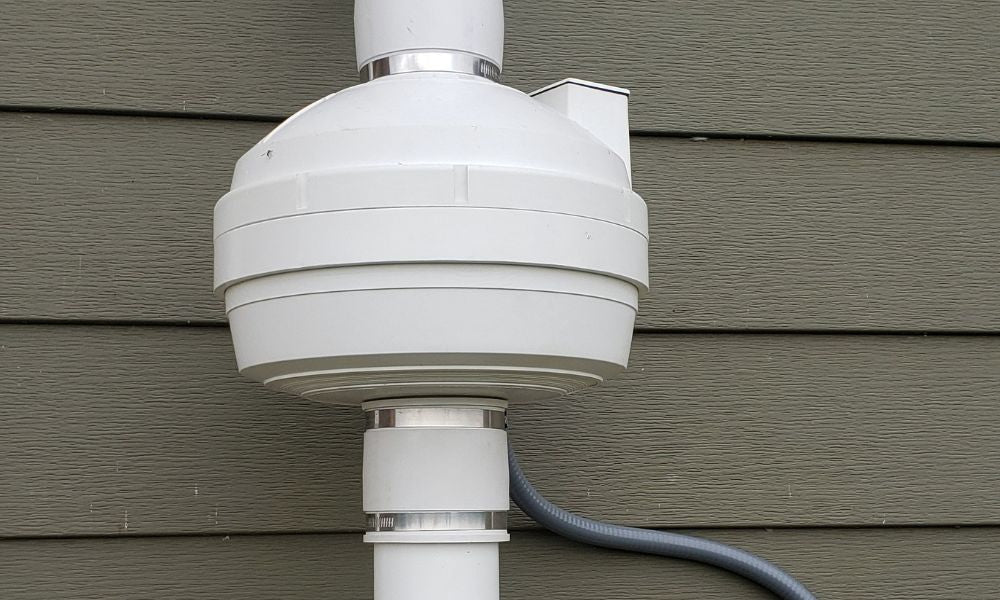
- Subsurface Ventilation: Specialized systems help redirect accumulated vapors away from building interiors.
- Vapor Barriers: Durable barrier materials create protective layers beneath floors and foundation structures.
- Active Depressurization: Carefully designed mechanisms help maintain pressure differences that discourage vapor entry.
- Sealing Solutions: Appropriate sealing materials reduce potential openings around foundation joints and service penetrations.
- Monitoring Equipment: Advanced instruments support ongoing performance evaluation and informed maintenance decisions.
Benefits of Proactive Protection Strategies
Implementing a structured vapor management plan provides several advantages for property owners, occupants, and building operators. Combining preventive measures with regular assessments helps establish dependable environmental protection.
Key benefits include:
- Improved indoor air quality through controlled vapor movement.
- Greater confidence in long-term building environmental performance.
- Enhanced occupant comfort through healthier indoor conditions.
- Better protection for foundation systems and interior spaces.
- More efficient maintenance through planned monitoring activities.
- Increased property appeal through responsible environmental management.
Additionally, accessible educational resources help property owners understand suitable protection methods, compare available approaches, and identify practical solutions. When reviewing useful guidance, interested readers can click here to explore further information and understand the importance of effective vapor management.
Building Long-Term Environmental Resilience
Successful vapor intrusion management requires consistent attention, professional planning, and ongoing system evaluation. Property owners can strengthen their protection strategies by establishing practical maintenance schedules and reviewing system performance periodically.
A well-organized approach should include:
- Scheduling routine inspections of installed mitigation components.
- Maintaining accurate records of monitoring activities and assessments.
- Reviewing ventilation performance to support consistent operation.
- Updating protective measures according to changing building requirements.
- Encouraging awareness of indoor environmental quality among occupants.
Strategic vapor intrusion management represents a valuable investment in building safety, environmental responsibility, and lasting property performance. By combining advanced technologies with proactive maintenance and thoughtful planning, property owners can create healthier indoor environments while supporting dependable structural protection and sustainable building development.