In the world of high-speed computing and electronics, efficient cooling is a critical factor in maintaining performance, reliability, and longevity. As processors and electronic components become more powerful, they generate increasing amounts of heat, which, if not managed properly, can lead to performance throttling, system instability, and even hardware failure. The challenge of balancing power consumption with effective heat dissipation has driven the development of innovative cooling technologies that enable modern high-speed processing. One of the key reasons for the increased heat generation in electronics is the continuous miniaturization of transistors and the rising density of integrated circuits. When electronic components operate at high speeds, they consume more power and generate more heat, requiring effective thermal management solutions to maintain optimal performance. Without proper cooling, heat buildup can degrade semiconductor materials, cause signal interference, and reduce overall system efficiency. To tackle this challenge, various cooling techniques have been developed, ranging from traditional air cooling to advanced liquid cooling solutions.
Air cooling, the most common method, relies on heat sinks and fans to dissipate heat away from components. Heat sinks, typically made of materials like aluminum or copper, absorb heat from the processor and transfer it to the surrounding air, while fans enhance airflow to accelerate heat dissipation. However, as processors become more power-hungry, air cooling alone may not be sufficient, leading to the adoption of more efficient liquid cooling systems. Liquid cooling, a more advanced approach, uses coolant-filled pipes or closed-loop systems to transfer heat away from critical components. ACDCFAN is more effective than air cooling because liquids have higher thermal conductivity, allowing them to absorb and transport heat more efficiently. Some high-performance computing systems use liquid metal cooling, which offers even better heat transfer properties compared to traditional coolants. Additionally, phase-change cooling techniques, such as vapor chamber cooling, leverage the principles of evaporation and condensation to enhance heat dissipation further. Beyond hardware-based cooling solutions, intelligent thermal management techniques play a vital role in maintaining a balance between power and heat.
Dynamic power management, for example, adjusts the power consumption of processors based on workload demands, reducing heat output during periods of lower activity. Thermal throttling is another mechanism that temporarily lowers clock speeds to prevent overheating. Modern processors also integrate thermal sensors and control algorithms to optimize performance while keeping temperatures within safe operating limits. The importance of electronics cooling extends beyond consumer devices and personal computers to industries such as data centers, telecommunications, and automotive electronics. In data centers, where thousands of servers operate continuously, efficient cooling systems are essential to prevent overheating and reduce energy consumption. Similarly, in the automotive sector, electric vehicles and autonomous driving systems require effective cooling solutions to ensure the reliability of power electronics and battery management systems. As technology advances, electronics cooling solutions will continue to emerge, enabling even faster and more efficient computing. Developments in nanotechnology, materials science, and artificial intelligence-driven cooling optimization are expected to push the boundaries of thermal management.


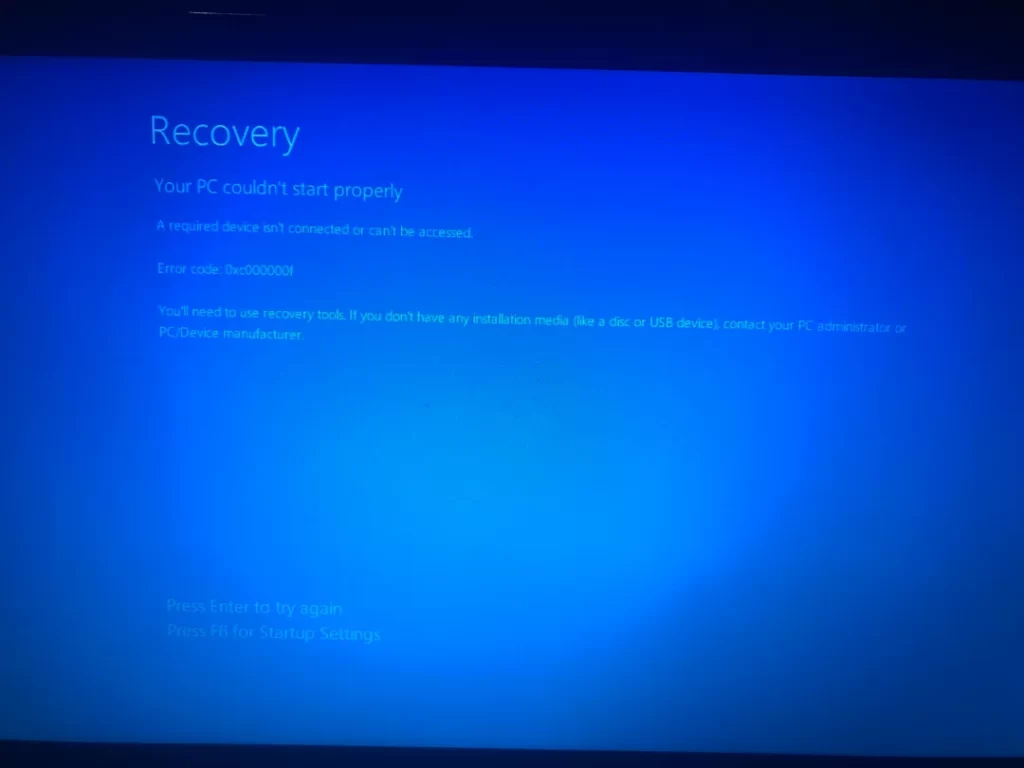 Another common approach is to use the Windows Recovery Environment WinRE. If your system fails to start multiple times, it may automatically enter WinRE. From here, you can access troubleshooting tools like Startup Repair, which can automatically fix some startup problems. Alternatively, you can choose to restore your system to a previous restore point if you have enabled System Restore. This option can revert your system settings and installed software to a time before the issue began, potentially resolving the startup error. If you suspect that hardware changes or installations might be causing the issue, removing any recently added hardware can help. This includes peripherals like printers, external drives, or any internal components. Once removed, try booting your system again. Additionally, if you have installed any new software or drivers, uninstalling them while in Safe Mode can eliminate conflicts that may be causing startup problems. In cases where the startup errors are linked to corrupted system files, using the System File Checker SFC tool can be beneficial.