A well-maintained commercial roof supports the long-term performance, safety, and appearance of a property. Seasonal maintenance helps prevent minor concerns from developing into larger issues while extending the roof’s service life. Consistent care also contributes to better energy efficiency and reliable protection throughout the year. Businesses that follow a routine maintenance schedule can enjoy greater peace of mind and improved building performance.
Why Seasonal Roof Maintenance Matters
Every season presents different conditions that can affect roofing materials. Regular inspections and preventive care help keep the roof in excellent condition while reducing the need for unexpected repairs.
Key advantages include:
- Extends the lifespan of roofing materials.
- Improves overall structural performance.
- Supports consistent indoor comfort.
- Enhances energy efficiency.
- Helps maintain proper drainage.
- Preserves the roof’s appearance.
- Reduces long-term maintenance expenses.
- Promotes dependable year-round protection.
Essential Maintenance Tasks for Every Season
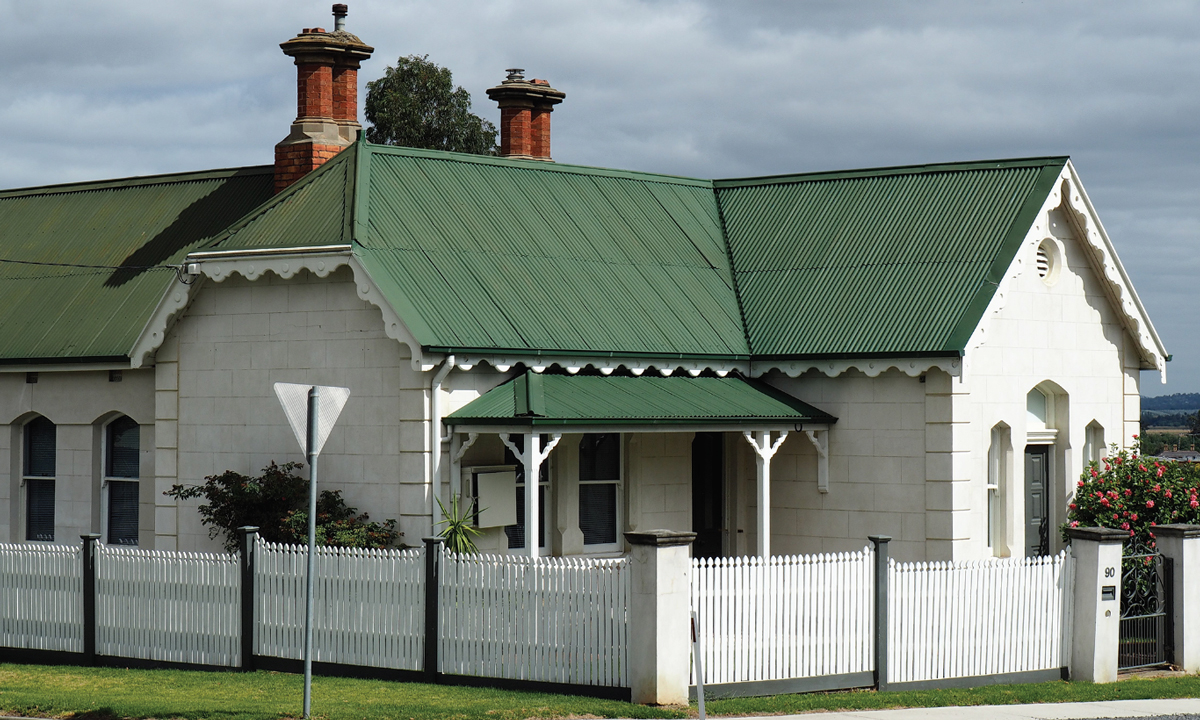
A seasonal maintenance plan keeps the roof functioning at its best through changing weather conditions.
Recommended tasks include:
- Inspect the roof surface for signs of wear.
- Remove leaves, branches, and accumulated debris.
- Clean gutters and drainage pathways.
- Check flashing for secure attachment.
- Examine roof edges and seams.
- Ensure drains remain free from blockages.
- Remove standing water when necessary.
- Verify rooftop equipment is securely positioned.
- Monitor areas around roof penetrations.
- Keep maintenance records for future reference.
Signs That Routine Attention Is Beneficial
Early identification of minor changes helps maintain roofing performance and supports timely maintenance.
Look for:
- Small surface cracks.
- Loose roofing materials.
- Minor seam separation.
- Clogged drainage areas.
- Ponding water after rainfall.
- Dirt accumulation.
- Flashing movement.
- Visible debris buildup.
- Areas requiring routine cleaning.
Benefits of Professional Roof Inspections
Professional inspections provide a detailed evaluation of the roof’s condition and help identify opportunities for preventive maintenance.
Inspection benefits include:
- Comprehensive roof assessments.
- Early detection of developing concerns.
- Recommendations for preventive care.
- Improved maintenance planning.
- Accurate documentation of roof condition.
- Better preparation for seasonal changes.
- Increased confidence in roof performance.
Best Practices for Long-Term Roof Care
Simple maintenance habits contribute to lasting roof protection and dependable performance throughout the year.
Helpful practices include:
- Schedule inspections each season.
- Address small maintenance needs promptly.
- Keep drainage systems clean.
- Trim nearby overhanging branches.
- Limit unnecessary roof traffic.
- Maintain detailed inspection records.
- Review the roof after severe weather.
- Follow a consistent maintenance schedule.
Choosing preventive maintenance is one of the most effective ways to protect a commercial roof for years to come. Regular inspections, seasonal care, and prompt attention to small issues help preserve roofing performance while supporting long-term value. Property owners seeking to learn more about commercial roofing can benefit from understanding the importance of proactive maintenance and establishing a dependable seasonal care routine. A well-maintained roof continues to deliver reliable protection, improved efficiency, and lasting durability through every season.