Exploring Common Connection Methods For Surge Protection Devices

Surge protections devices help manage transient overvoltages by providing a controlled path for surge energy away from sensitive electrical equipment. Understanding an https://lsp.global/surge-protection-device-wiring-diagram/ makes it easier to recognize how live, neutral, and protective earth conductors interact within a protection system.

A clear connection layout supports accurate installation planning and helps maintain an efficient protection path. SPDs are commonly connected in parallel with the electrical circuit, allowing normal current to continue through the installation while the protection device responds when a transient occurs.

Parallel Connection Method

Parallel wiring is widely used for AC surge protection. In a typical single-phase arrangement, the SPD connects between the relevant supply conductors and the protective earth system.

Important connection points include:

  • Live conductor connected according to the selected SPD configuration
  • Neutral conductor connected where the system requires neutral protection
  • Protective earth connected directly to the appropriate earth bar
  • Dedicated overcurrent protection provided where required
  • Conductors arranged neatly to create a direct discharge path

This configuration allows the SPD to remain separate from the normal load current while providing surge diversion when necessary.

V-Connection For Shorter Wiring

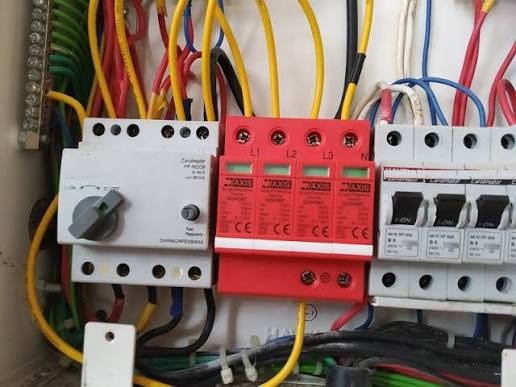
A V-shaped connection can provide a particularly direct wiring arrangement. Incoming and outgoing conductors are connected close to the SPD terminals, helping reduce conductor length, additional impedance, and unwanted voltage rise during fast transient events.

Keeping connections short is an important part of effective SPD installation. Guidance commonly recommends keeping the combined connection length to the network and earth connection within approximately 50 centimeters.
Branch Connection Arrangement

Another method uses a branch from the main circuit to the SPD. This arrangement can be practical where the panel design or equipment layout makes direct V-connection difficult.

For a well-organized installation:

  • Keep the branch connection as short as practical
  • Position the SPD close to the protected distribution point
  • Keep phase, neutral, and earth conductors grouped appropriately
  • Avoid unnecessary bends and loops
  • Separate incoming surge-current paths from protected outgoing conductors

These practices help maintain a clean electrical layout and support consistent surge-current performance.

Choosing A Suitable Connection Approach

The correct wiring method depends on the electrical system, SPD configuration, installation location, and applicable standards. Single-phase, three-phase, and photovoltaic systems can require different conductor arrangements and protection modes.

A carefully prepared wiring diagram provides a useful visual reference before installation begins. Electricians should always verify system characteristics, SPD ratings, protective-device requirements, grounding arrangements, and local electrical regulations before completing the work.

Building A Reliable Protection Layout

Effective SPD connections combine correct conductor identification, suitable protection, proper grounding, and short wiring paths. When these elements are planned together, surge protection can become an organized and dependable part of an electrical installation.

Flexible Packaging Designs Offering Greater Product Capacity

Flexible packaging continues to provide practical ways to combine convenience, capacity, and efficient storage. Among these designs, a gusset bag stands out because its expandable structure creates additional internal space while maintaining a compact form when empty. https://www.bsflexpack.com/what-is-a-gusseted-bag/ explains the basic construction and purpose of gusseted packaging, where folded sections on the sides or bottom expand as the bag is filled. This design makes gusset bags useful for products that need additional room without relying on a rigid container.

What Is a Gusset Bag?

A gusset bag is a flexible package designed with folded or pleated sections called gussets. These sections open outward during filling, giving the package greater depth and usable capacity. Unlike a simple flat bag, this structure creates a three-dimensional space that can accommodate larger or irregularly shaped products.

  • Expandable side folds
  • Additional internal depth
  • Flexible product accommodation
  • Efficient empty storage
  • Improved filled shape

The gusset may be positioned along the sides, bottom, or both areas, depending on the desired packaging structure.

How Gusset Designs Increase Capacity

The primary advantage of gusset construction is its ability to add usable volume without dramatically increasing the package footprint. When empty, the folded sections remain compact. Once filled, they unfold and create additional space for the product.

This makes the design particularly useful for:

  • Bulk products
  • Granular products
  • Powdered products
  • Snacks and dry goods
  • Irregularly shaped contents

The added depth can also help distribute the contents more naturally throughout the package, supporting a balanced and attractive finished shape.

Side Gusset and Bottom Gusset Options

Different gusset positions provide different functional benefits.

Side Gusset Bags

Side gussets expand along both sides, creating greater width and volume when filled. They are especially suitable when packaging needs to accommodate larger quantities while retaining an efficient overall form.

Bottom Gusset Bags

Bottom gussets expand at the base, helping create a broader foundation when filled. This can improve stability and support upright presentation, making the format useful where convenient shelf positioning is important.

Positive Packaging Benefits

Flexible gusset construction can support both operational and presentation goals. Its expandable nature provides valuable capacity, while its flexible form can simplify storage before filling.

  • Better volume utilization
  • Convenient handling
  • Efficient storage
  • Attractive product presentation
  • Adaptable packaging structure
  • Practical space management

A Smart Choice for Flexible Capacity

Gusset bags demonstrate how thoughtful packaging construction can create more usable space without requiring a rigid container. Their expandable folds, flexible structure, and varied configurations provide a practical solution for products that benefit from greater capacity. With suitable dimensions and construction, flexible packaging can deliver a balanced combination of convenience, storage efficiency, product capacity, and appealing presentation.

Customized Shed Interiors Create Productive Workshops And Hobby Areas

A thoughtfully customized shed interior can transform an ordinary structure into a productive workshop, creative studio, or enjoyable hobby area. With practical layouts, organized storage, and comfortable features, every section can be designed to support activities while making better use of available space.

Designing a Functional Interior

A successful interior begins with a layout that matches the intended purpose. Careful planning helps create convenient work zones, accessible storage, and enough movement space for enjoyable and efficient activities.

  • Dedicated work areas support focused projects.
  • Open floor sections provide comfortable movement.
  • Strategic layouts make tools easier to access.
  • Defined zones help maintain better organization.
  • Flexible arrangements accommodate changing activities.

Creating Productive Workshop Areas

A customized workshop can provide a reliable space for hands-on projects and practical tasks. Suitable surfaces, storage solutions, and organized workstations make it easier to keep projects moving smoothly.

  • Sturdy workbenches provide dependable working surfaces.
  • Wall storage keeps frequently used tools accessible.
  • Shelving creates convenient locations for supplies.
  • Drawers help organize smaller equipment.
  • Dedicated zones encourage efficient project preparation.

Building Comfortable Hobby Spaces

Sheds can also become welcoming areas for creative interests and relaxing hobbies. Thoughtful interior choices can create an inspiring environment where individuals can comfortably spend time pursuing activities they enjoy.

  • Craft tables provide dedicated creative surfaces.
  • Comfortable seating supports longer hobby sessions.
  • Display areas showcase completed projects.
  • Natural light can create a pleasant atmosphere.
  • Organized supplies keep creative areas inviting.

Maximizing Available Storage

Efficient storage is an important part of a productive shed interior. Using vertical and horizontal space thoughtfully allows more items to remain organized without reducing valuable working room.

  • Wall-mounted shelves make excellent use of vertical space.
  • Cabinets provide enclosed storage for selected items.
  • Pegboards keep frequently used tools visible.
  • Overhead areas can hold less frequently needed supplies.
  • Labeled storage improves everyday organization.

Adding Useful Interior Features

Small improvements can make a substantial difference in comfort and usability. Practical additions can help transform a basic shed into a personalized workspace that supports regular activities throughout the year.

  • Electrical access can support suitable equipment.
  • Lighting improves visibility during detailed tasks.
  • Ventilation helps maintain a comfortable interior.
  • Insulation can enhance indoor comfort.
  • Durable flooring supports frequent use.

Personalizing the Interior Style

A customized interior can reflect individual preferences while maintaining practical functionality. Colors, finishes, furniture arrangements, and storage features can work together to create a space that feels both useful and welcoming.

  • Select finishes that create a pleasant atmosphere.
  • Arrange furniture around preferred activities.
  • Add display sections for personal projects.
  • Choose storage according to daily routines.
  • Create dedicated areas for specialized hobbies.

Finding Suitable Shed Options

Exploring different structures can help identify possibilities for creating a personalized interior. Options such as sheds for sale grande prairie can provide inspiration for selecting a suitable size, layout, and design for future workshop or hobby plans.

  • Compare interior dimensions carefully.
  • Consider intended activities before choosing a layout.
  • Review door and window placement.
  • Plan storage requirements in advance.
  • Select features that support long-term use.

A Space Designed Around You

Customized shed interiors can deliver an ideal balance of productivity, organization, comfort, and creativity. With purposeful planning and personalized features, a shed can become a valuable workshop or hobby retreat that makes every project more enjoyable and every activity more convenient.

Understanding Strength Differences Between Carbon Steel And Stainless Steel

Material selection plays an important role in creating durable and dependable components. Carbon steel and stainless steel are both valuable engineering materials, yet their compositions, grades, and processing methods give them different combinations of strength, hardness, toughness, ductility, and corrosion resistance. Understanding these differences helps manufacturers match material characteristics with application requirements.

Exploring Carbon Steel Strength

Carbon steel derives many of its mechanical properties from carbon content and other controlled elements. Its wide range of grades allows manufacturers to select suitable combinations of strength, hardness, ductility, weldability, and machinability for different component designs.

Key characteristics include:

  • Provides dependable load-bearing performance.
  • Supports strong structural and mechanical components.
  • Offers grades with different hardness levels.
  • Can respond effectively to suitable heat treatment.
  • Provides practical fabrication and machining flexibility.

Higher carbon levels can increase hardness and strength potential, although they can also influence ductility and toughness. This broad range allows carbon steel to support applications where mechanical performance and efficient fabrication are important.

Understanding Stainless Steel Strength

Stainless steel contains chromium that contributes to its characteristic corrosion resistance. Different stainless steel families also provide varied combinations of strength, toughness, ductility, formability, and work-hardening behavior, creating many useful material options.

Important characteristics include:

  • Combines useful strength with corrosion resistance.
  • Offers excellent ductility in many grades.
  • Provides strong toughness for demanding applications.
  • Can gain strength through cold working in suitable grades.
  • Includes grades designed for specialized mechanical performance.

Stainless steel is available in several families, including ferritic, martensitic, austenitic, duplex, and precipitation-hardening types. Their mechanical properties can differ considerably, making grade selection an important part of material planning.

Comparing Strength Characteristics

Neither material family has one universal strength level. Actual performance depends on the specific grade, product form, thickness, heat treatment, and manufacturing condition. For example, some stainless grades provide high tensile strength, while selected carbon steels offer strong yield performance.

Key comparison factors include:

  • Yield strength: Varies significantly among individual grades.
  • Tensile strength: Both families provide multiple strength ranges.
  • Hardness: Carbon content and treatment can strongly influence hardness.
  • Ductility: Many stainless grades provide excellent elongation and toughness.
  • Work hardening: Several stainless grades strengthen effectively during deformation.

Considering Corrosion Resistance

Strength is only one part of material selection. Stainless steel contains at least 10.5% chromium, which supports formation of a protective passive surface layer and provides valuable corrosion resistance.

Useful benefits include:

  • Supports durable performance in suitable environments.
  • Helps maintain surface integrity over extended service.
  • Provides corrosion resistance without relying solely on coatings.
  • Offers grades suited to different environmental conditions.
  • Combines corrosion performance with useful mechanical properties.

Selecting Materials With Confidence

A balanced evaluation can help connect material characteristics with product requirements. Reviewing strength, toughness, corrosion exposure, fabrication methods, operating conditions, and expected service life provides a practical foundation for informed selection.

Important considerations include:

  • Required load-bearing capacity.
  • Desired hardness and toughness.
  • Exposure to moisture or corrosive conditions.
  • Fabrication and joining requirements.
  • Expected operating temperature and service conditions.

For additional comparison guidance, https://www.bessercast.com/carbon-steel-vs-stainless-steel/ can support further understanding. Both carbon steel and stainless steel offer valuable performance characteristics, and selecting the appropriate grade can help achieve reliable strength, durability, efficient manufacturing, and long-term component performance.